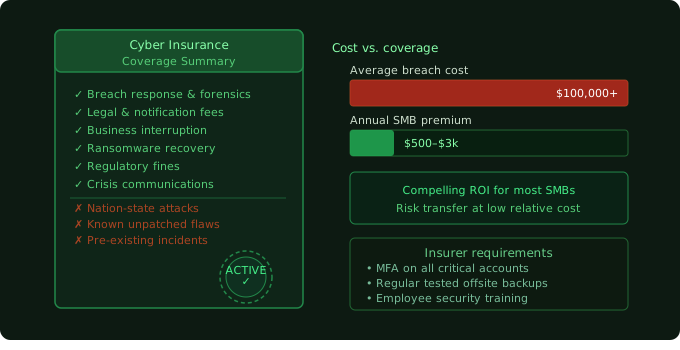

"The average cost of a small business data breach now exceeds $100,000. Annual cyber insurance premiums? As low as $500."
Cyber insurance has gone from a niche product to a practical necessity for small businesses in recent years. As cyberattacks become more frequent and costly, having a financial safety net in place can be the difference between surviving an incident and shutting down.
What cyber insurance covers
FIRST-PARTY COVERAGE (your own losses)
├── Breach response: forensics, legal, notifications
├── Business interruption: lost revenue during downtime
├── Ransomware: negotiation, payment, recovery costs
├── Data recovery: restoring encrypted/corrupted data
└── Crisis communications / PR

THIRD-PARTY COVERAGE (claims against you)
├── Customer lawsuits following a breach
├── Regulatory fines and penalties
└── Settlement costs
What it does NOT cover
- Nation-state attacks - most policies exclude state-sponsored cyber warfare
- Known unpatched vulnerabilities - if you knew about it and didn't fix it, coverage may be denied
- Social engineering fraud - often requires a separate rider; confirm with your broker
- Pre-existing incidents - breaches that began before your policy start date
- Physical damage to hardware from cyber events (requires separate coverage)
What insurers require from you
The application process has gotten significantly more detailed in recent years. Most insurers now require:
- MFA enabled on all critical accounts (this is often non-negotiable)
- Regular, tested offsite backups
- Endpoint protection software on all devices
- Employee security awareness training
- An incident response plan on file
Businesses with stronger security postures pay lower premiums and qualify for higher coverage limits. Getting your security basics right isn't just smart—it's financially beneficial.
Is it worth the cost?
The math is compelling. A single ransomware incident averages $200,000 in combined costs. An SMB cyber insurance policy typically runs $500–$3,000 per year depending on revenue, industry, and security posture. The ROI is undeniable for most businesses.
★ Before you shop: Audit your current security controls first. Document your MFA usage, backup procedures, and training program. Insurers reward good security hygiene with better rates and fewer exclusions.